
Trusts
Trust Registration application form
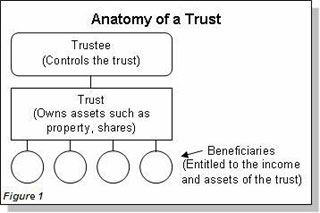
Trusts are often misunderstood and utilized incorrectly, believing that you “are protected” regardless. Some even believe that you can let someone inherit “your trust” and/or that the initial person that created the trust still has control over his/her assets. A representative from one of the big assurances groups was even adamant that the trust deed could be amended by the trust creator, if need be.
Usually an annual resolution ratifies decisions made by the trust creator during the year, and once a year someone scratches in a box when they update the books from the bank statements. The creator of the trust only then let his fellow trustees know what has happened during the year, and how he as the patriarch (or her as the matriarch) of the family has decided to allocate what to which beneficiary during the year. I am sure you have heard of rich families with a farm in a trust, where the patriarch has decided to disown the one son, whilst the trust deed univocally names the beneficiaries as all his/her offspring?
If you operate in any form or manner as described above, or concur with any of the above, then you need to seriously rethink how a trust really work and what you, your spouse and the rest of the immediate family need to do to protect the family assets and their future properly.
Firstly, you will be well advised to get hold of the Trust Act and read the less than 10 pages it comprise of. This should not take long, and whilst connecting the dots, bring into consideration the family’s circumstances, and whom the other trustees of the trust may be.
Secondly look at the risks where for instance your daughter’s latest husband can go to court to have the trustees (whom are not keeping to the trust deed) ejected and replaced, forcing new trustees to look after him, your daughter and the baby, while he lays at home smoking pot and watching TV ? After all, you did set up the trust to look after your children and grandchildren, not so? Also be careful, going about with trust income and assets without keeping to the trust deed, or without proper approval from all trustees, can land you in jail for the theft from the trust.
When creating a trust, keep these in mind:
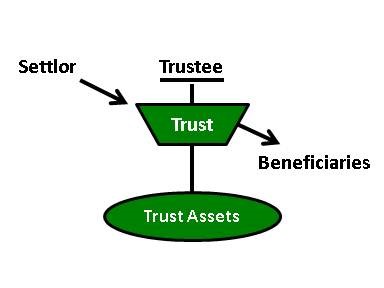
- As another example, your house overlooking Clifton is in a trust, and you decide to sell this. Your estranged son needs to start a business and lays claim to 25% of the capital profit from the sale via urgent court action, as he is one of the four beneficiaries of the trust?You lose control over your assets as they now belong to the trust entity
- Income from trusts can be taxed in your hands if the trust if SARS believes you still control this
- The loan from the assets injected into the trust can be attacked by your creditors
- If you become insolvent in the first two years, the onus is on you to prove that you were solvent when alienating your assets to the trust
- When structuring beneficiaries always have the older family members having the first bite at the cherry
- Upon divesting business assets to the trust, make sure you can wrestle back control when the businesses do not perform
- Make sure your future son/daughter-in-law will not get a free pass at your family’s expense
- Ensure trustees are involved in every decision beforehand and that the books are up to date at all times
- A court may change the trustees to people you have never met, who applies the trust prescriptions to the letter, putting the trust creator in a queue with his children, grandchildren and son-in-law, whilst there may not be enough to go around for everybody.
It’s important to structure your trust correctly from the start, and approach it from the numbers and risks scenarios first, then to address the legalise.